Wholesale feels like the next step. A café owner complimented your bag at the farmers market. A local shop manager asked if you sell in bulk. Someone used the word “partnership” in an email.
The instinct is to say yes.
Before you do: wholesale is not growth with better margins. It is a different business model with its own margin math, its own packaging requirements, and its own buyer expectations. Done right, it compounds your brand. Done without preparation, it can quietly shrink your margin while expanding your operational complexity.
Here is the readiness checklist we use with every specialty coffee brand before their first wholesale conversation.
The Wholesale Math: Why Most Brands Get This Wrong
The single most common wholesale mistake indie roasters make is agreeing to a price before they have run the margin math.
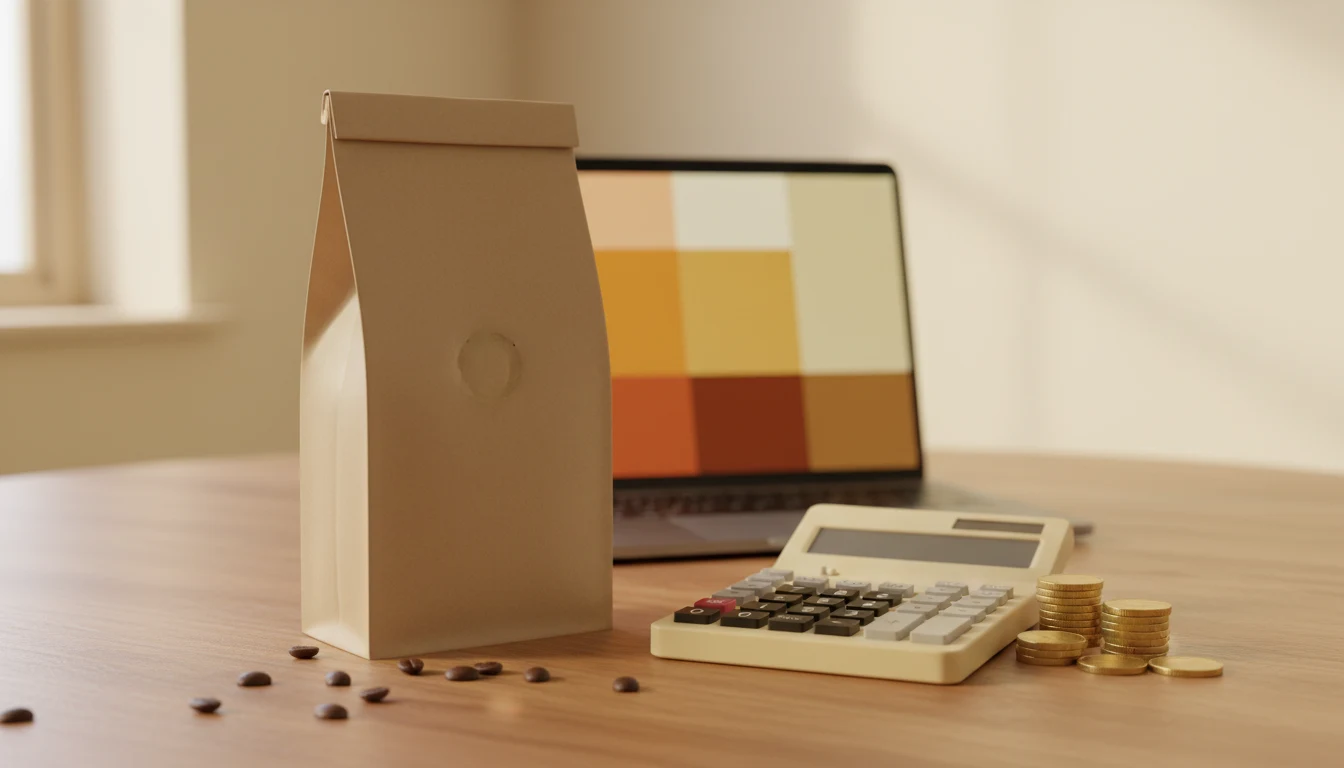
Here is the baseline reality: wholesale accounts buy at 50% of your retail price. If you sell a 12oz bag for $22 direct-to-consumer, a wholesale account expects to pay $11 for that bag. They will then sell it for $16–$22 depending on their margin requirements.
That math only works if your retail margin is above 50%.
The 50% rule and what it means for your margin
Most specialty coffee brands operate at 30–40% retail margin. At 35%, a $22 bag costs you roughly $14.30 to produce, ship, and package. At wholesale pricing of $11, you are selling below cost.
This is not an argument against wholesale. It is an argument for running the math before the conversation, not during it.
The path to a viable wholesale margin runs through one of three places: raising your retail price (which affects DTC positioning), reducing your cost of goods (which affects product quality and sourcing relationships), or building a wholesale-specific pricing tier that accounts for volume, fulfilled in larger batches to reduce per-unit cost.
None of these are decisions you can make in a buyer meeting. Run the numbers first. Know your floor. Then enter the conversation from a position of clarity, not optimism.
What Your Label Has to Do Without You in the Room
When you sell DTC, you are part of the brand experience. Your Instagram explains the sourcing story. Your email sequence introduces the roast philosophy. Your packaging confirmation note is written personally.
In wholesale, the label is doing all of that work alone. On a shelf. In 3 seconds. Next to twelve other bags from brands that have been in that retailer longer than you have.
This is a design problem, but it is also a communication problem. Your label needs to communicate four things without any support: what the coffee is (origin, variety, process), what it tastes like (tasting notes that are specific, not generic), who made it (brand identity that reads clearly at arm's length), and why a buyer should trust it (visual signals that communicate quality and care).
Most indie coffee labels are designed for someone who already knows the brand — the farmers market buyer who has spoken to the roaster, or the DTC customer who found the brand through Instagram. Wholesale requires a label that works for a stranger.
The test: Hand your bag to someone who has never heard of your brand. Give them 10 seconds to look at it. Then ask: What coffee is this? Where is it from? Who made it? What does it taste like? If they cannot answer all four without help, your label has work to do before it goes wholesale.
Minimum Order Policies: The Conversation Most Roasters Avoid
A wholesale account with no minimum order policy is a fulfillment liability, not a revenue channel.
The math: a café that orders six bags a month costs you roughly the same to fulfill as a café that orders sixty. Packaging, picking, labeling, boxing, shipping — the per-order costs are similar regardless of volume. Without a minimum order, your wholesale accounts will naturally settle at whatever volume is convenient for them, not viable for you.
Set your minimum order before your first conversation. The specifics depend on your margin structure and fulfillment cost, but a reasonable starting point for most indie roasters is a minimum of 12 units per order, with an opening order minimum that covers your cost of acquiring the account.
The conversation about minimums is easier to have before the relationship starts than after the first order has already shipped at six bags. Buyers expect the conversation. Most will respect a roaster who has done the business math.
Packaging Specs That Wholesale Buyers Actually Check
Your bag survived your farmers market. It survived your DTC shipments. It may not survive a retail buyer's freight network.
Wholesale packaging faces a different set of physical demands than any channel you have shipped through before. Your bags may be palletized, stacked, moved by conveyor, stored in a warehouse at variable humidity, and unpacked by someone who has handled 400 other boxes today. Every seal, every closure, every structural choice you made at low volume will be tested at freight volume.
The specific requirements vary by buyer, but the categories to prepare for are consistent:
Seal integrity: Can your bag's heat seal hold under 48+ hours of transit and 50+ lbs of stacked pressure? This is testable before your first shipment.
Case packing: What is your case configuration? A buyer placing a 60-unit order needs to know your case count (typically 6 or 12) and case weight. If you do not have a documented case spec, you do not have a wholesale packaging setup.
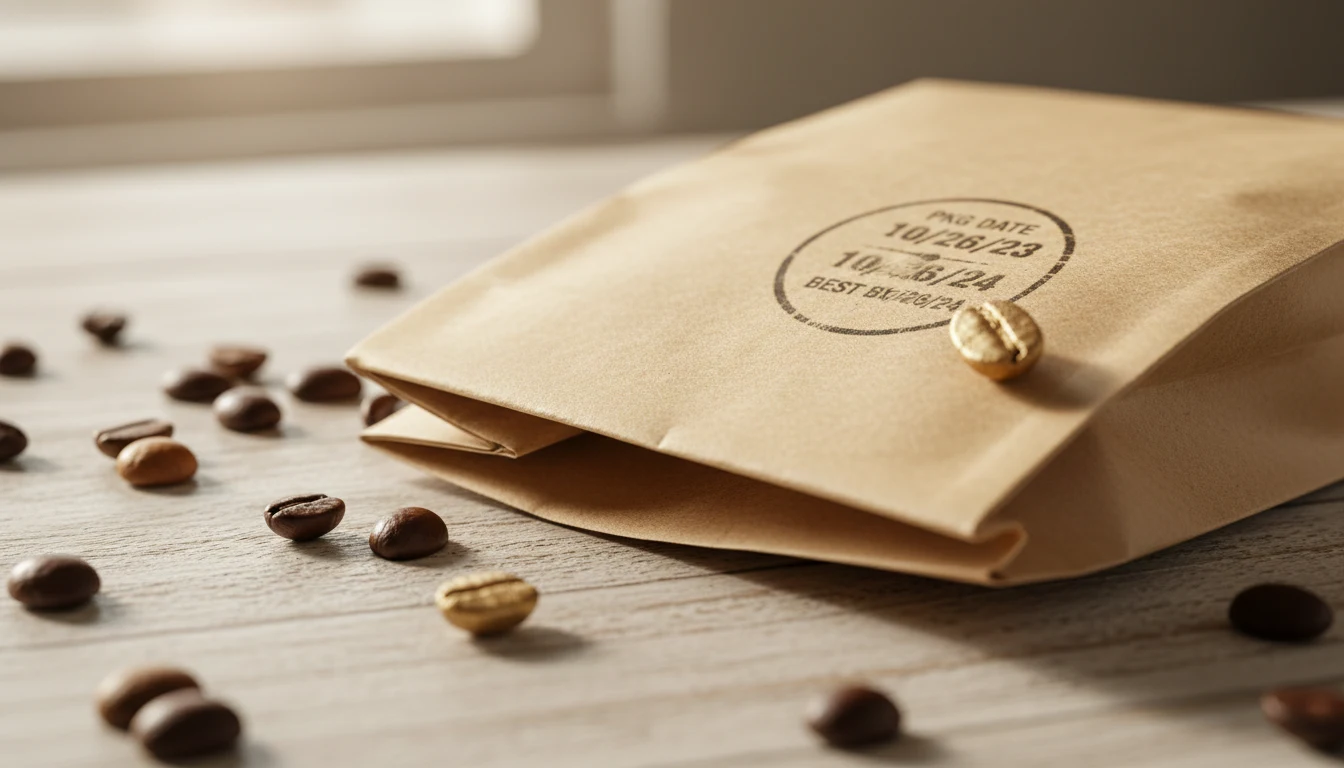
Barcode requirements: Most retailers require a UPC or EAN barcode on every retail unit. If your current label does not include one, this needs to be resolved before the first purchase order, not after.
Label compliance: Some buyers — particularly natural grocery and specialty retail chains — have specific requirements for origin claims, weight declarations, and allergen labeling. Check these requirements for your target retailer before your first meeting, not after you have already printed 2,000 bags.
Frequently Asked Questions
What margin do I need to make wholesale coffee profitable? To make wholesale viable at standard pricing (50% of retail), your retail margin needs to be above 50% — or you need a wholesale-specific pricing tier built on volume economics. Most specialty coffee brands at launch operate at 30–40% retail margin, which means wholesale at standard pricing requires either a price increase, a cost reduction, or both before the first account is signed.
What should a coffee brand's minimum wholesale order be? A practical starting minimum for most indie roasters is 12 units per order, with an opening order minimum of 24–36 units. The right number depends on your per-order fulfillment cost and your minimum viable margin per transaction. Model it before you set it: calculate your break-even volume for a single wholesale order, then set your minimum above that threshold.
How do I approach my first wholesale account conversation? Come in with: your wholesale price sheet (with minimums), a sample of your current bag, a brief one-pager on your roastery and sourcing story, and a clear answer to “what support do you provide accounts?” — whether that’s marketing assets, staff training, or tasting events. Most small buyers are not expecting a formal pitch. They are expecting a roaster who knows their own numbers.
Does my packaging need to change to sell wholesale? Usually, yes — in at least one or two of these areas: adding a UPC barcode, updating case packing specs, verifying seal integrity under freight conditions, and confirming that label claims meet the retailer's category standards. None of these require a full redesign, but they do require a review before the first purchase order.
Conclusion
Wholesale is a growth channel worth building toward — but only when the margin math is right, the label works without you in the room, the minimums are set, and the packaging is built for freight, not just your farmers market table.
Running this checklist before the first buyer conversation is not caution. It is preparation. The roasters who enter wholesale ready close better accounts and keep them longer than the ones who figure it out after the first shipment.
If you want to walk through the wholesale readiness assessment for your brand, work with Inkroast — or follow us for more.