If you asked most small coffee roasters why customers buy from them instead of a bigger brand, they'd say something about quality. Better sourcing. Fresher roasting. More care in the process.
And while those things matter, they're not the reason most people make the switch — or stay loyal once they do.
The real reason people buy from small coffee brands is trust. And trust, in the context of consumer goods, is more nuanced than most founders realize.
The Trust Gap Between Small and Large Brands
Large coffee brands have institutional trust. Starbucks, Lavazza, Intelligentsia — customers know what they're getting. The packaging is consistent, the price is predictable, the experience is reliable. That reliability is a form of trust.
Small coffee brands can't compete on that kind of trust. But they can compete on something more powerful: personal trust.
Personal trust is what happens when a customer feels like they know who made their coffee, why it was made, and what the person behind it stands for. That kind of trust doesn't come from scale — it comes from proximity. And small brands, by definition, have proximity that large brands can't manufacture.
The 4 Things Small Brands Do That Build Buyer Trust
1. They show the process
Large brands show the product. Small brands can show everything that came before it. The sourcing trip. The cupping session. The roast profile adjustment that took three batches to get right.
This transparency isn't just content — it's evidence. Evidence that someone with skill, taste, and care made this coffee. That's not something you can fake at volume.
The roasters who grow fastest are almost always the ones who document their process publicly, not because it's a content strategy but because customers find it genuinely compelling. When someone watches you work, they feel like they know you. And people buy from people they know.
2. They have a specific point of view
The most trusted small brands don't try to appeal to every coffee drinker. They have a perspective — sometimes a strong one — and they express it consistently.
Maybe it's a deep commitment to direct-trade sourcing and transparency about what farmers are paid. Maybe it's an obsession with a specific processing method — natural ferments, anaerobic, experimental lots. Maybe it's a straightforward "we make the best everyday cup for people who don't want to think about it."
Whatever the point of view, it signals something important to the customer: this brand knows what it is. Confidence is trust. Brands that stand for something clearly feel safer to buy from than brands that hedge toward everyone.
3. They make the risk feel small
Buying coffee online without tasting it first requires a small act of faith. Small brands that acknowledge this and reduce the friction win more first-time customers.
This shows up in:
- "Love it or your next bag is on us" satisfaction policies
- Honest tasting notes in plain language (not every note needs to be "complex" or "nuanced")
- Starter packs or samplers for new customers
- Genuine reviews from real customers (not just star ratings)
The brands that say "we stand behind this" — and mean it — convert at significantly higher rates than those who don't. Customers aren't just buying coffee; they're deciding whether to trust a stranger. Make that decision easy.
4. They respond like humans
The single most underrated trust-builder for small coffee brands: respond to DMs, comments, and emails like a real person.
Not with a template. Not with "thanks for reaching out!" followed by nothing.
When a customer asks "is this good for espresso?" and the founder answers with a genuine recommendation — including the grind ratio they'd suggest — that exchange is worth more than any ad campaign.
It's proof that someone real is behind the brand. And in a world of automated responses and AI chatbots, a human reply is remarkable.
Why These Things Matter More Than Price
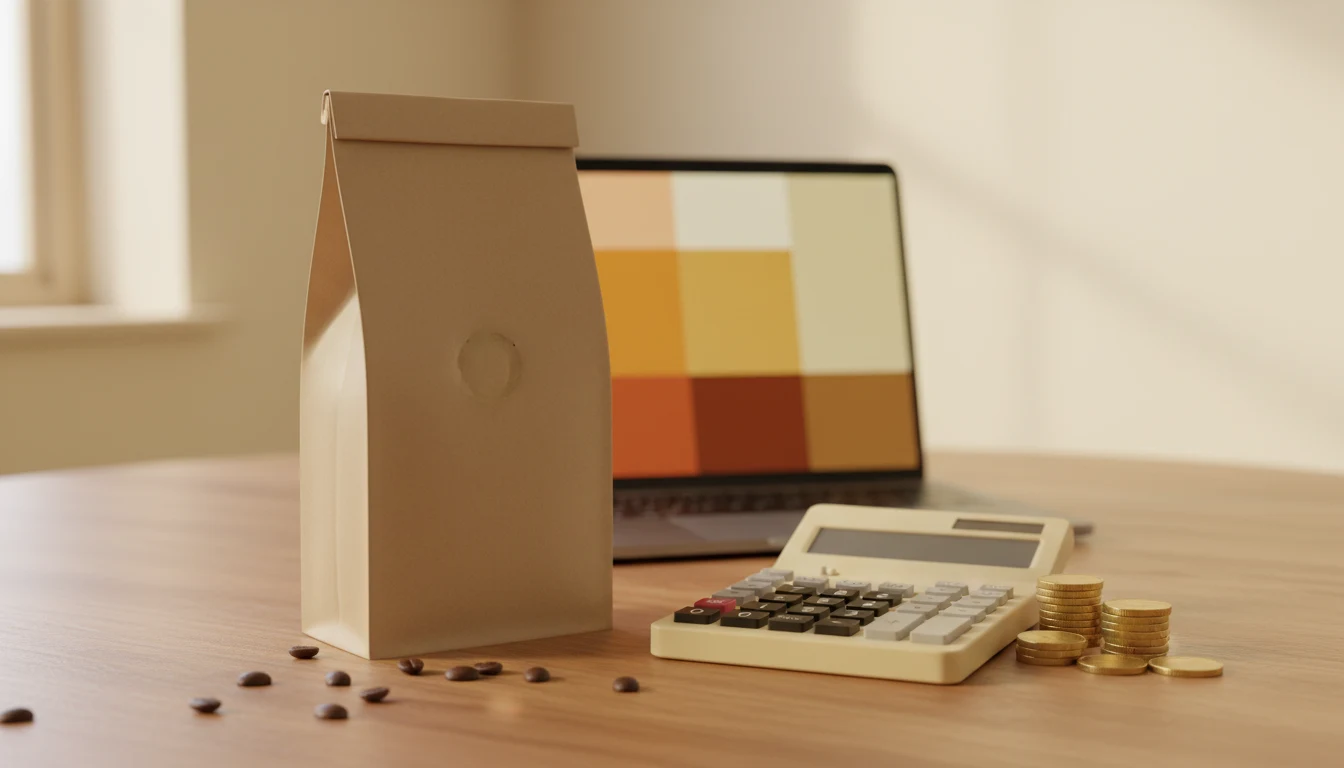
Small coffee brands frequently under-price their products because they assume price is the primary objection. It's usually not.
Most customers who hesitate aren't thinking "this is too expensive." They're thinking "I don't know if I can trust this brand yet." Lower the price and they still won't buy — because the trust gap is still there.
Fix the trust gap, and you can often raise the price. Not because your coffee got better, but because the customer now feels confident in what they're buying.
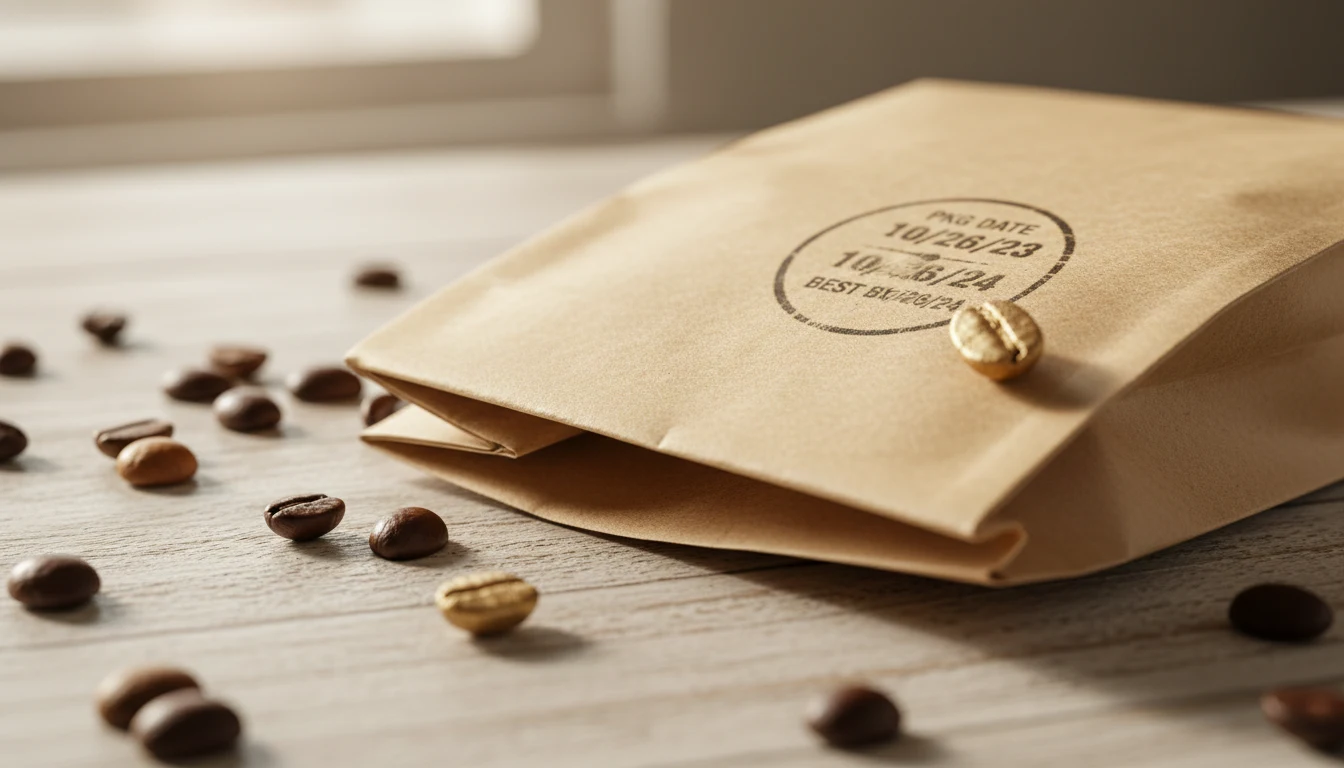
This is why packaging matters so much. Packaging is trust made visible before the customer reads a word. A label that looks considered, consistent, and professional signals the same qualities about the coffee inside. A cluttered, amateur label signals uncertainty — and uncertain customers don't buy.
Building Trust at Every Touchpoint
The small brands that build sustainable businesses treat trust as a system, not a byproduct. They ask: at every point where a potential customer encounters our brand, do they come away with more confidence or less?
The Instagram post that explains your sourcing: more.
The product page that uses jargon only enthusiasts understand: less.
The thank-you card inside the order: more.
The automated email with zero personality: less.
The founder who shows up in stories answering questions: more.
Every touchpoint is a trust deposit or a trust withdrawal. The brands that compound those deposits over months and years don't need to fight for sales — the sales come because the trust is already there.
Inkroast helps coffee brands build the kind of trust that turns first-time buyers into loyal customers. Follow @theinkroast for weekly brand strategy and packaging tips.