"Coffee lovers" is not a marketing strategy.
If your ideal customer is "anyone who drinks coffee," you're trying to talk to everyone — and talking to no one. The indie roasters who build loyal communities and strong repeat purchase rates aren't more talented. They're more specific.
After working with dozens of specialty coffee brands, we've identified three distinct buyer archetypes that account for the vast majority of DTC coffee sales. Understanding which one is your primary buyer — and how to speak to them — is the single most effective shift you can make in your marketing.
The Explorer
Who they are: The Explorer seeks novelty above all else. They want single origins, unusual processing methods, limited runs, and the story behind the farm.
What they buy: A new origin every 4–6 weeks. Multiple roasters at once. Anything with a unique tasting note or harvest story.
How they discover you: Instagram reels, coffee subreddits, word-of-mouth from other enthusiasts, specialty café recommendations.
What sells them: Education. Origin stories. Processing explanations. Tasting notes that go beyond "chocolatey and smooth." They want to feel like an insider.
Marketing approach: Lead with the story, not the product. Post about the farm. Share the processing method. Introduce the producer. The Explorer doesn't want to be sold — they want to be invited into a world.
Revenue profile: Medium average order value. Lower lifetime value than Ritualists. High word-of-mouth potential.
The Ritualist
Who they are: The Ritualist is your most valuable long-term customer. They found a coffee they love, and they buy it. Reliably. Monthly.
What they buy: The same blend or origin, on a reliable schedule. They subscribe when you offer it. They panic-buy when you announce a discontinuation.
How they discover you: Google search, subscription service recommendations, or a trusted Ritualist in their life.
What sells them: Trust and consistency. They need to know the bag will arrive on time, taste the way it should, and be easy to reorder. Subscriptions are designed for them.
Marketing approach: Emphasize reliability and quality control. Build a relationship. Email them personally when the new harvest arrives. Reward their loyalty with early access. Don't constantly introduce them to new products — they just want their thing.
Revenue profile: Highest lifetime value. 3× annual spend compared to one-time buyers. Core of your subscription base.
The Gifter
Who they are: The Gifter buys coffee for other people. For birthdays. For holidays. For "I saw this and thought of you." They may not even drink coffee themselves.
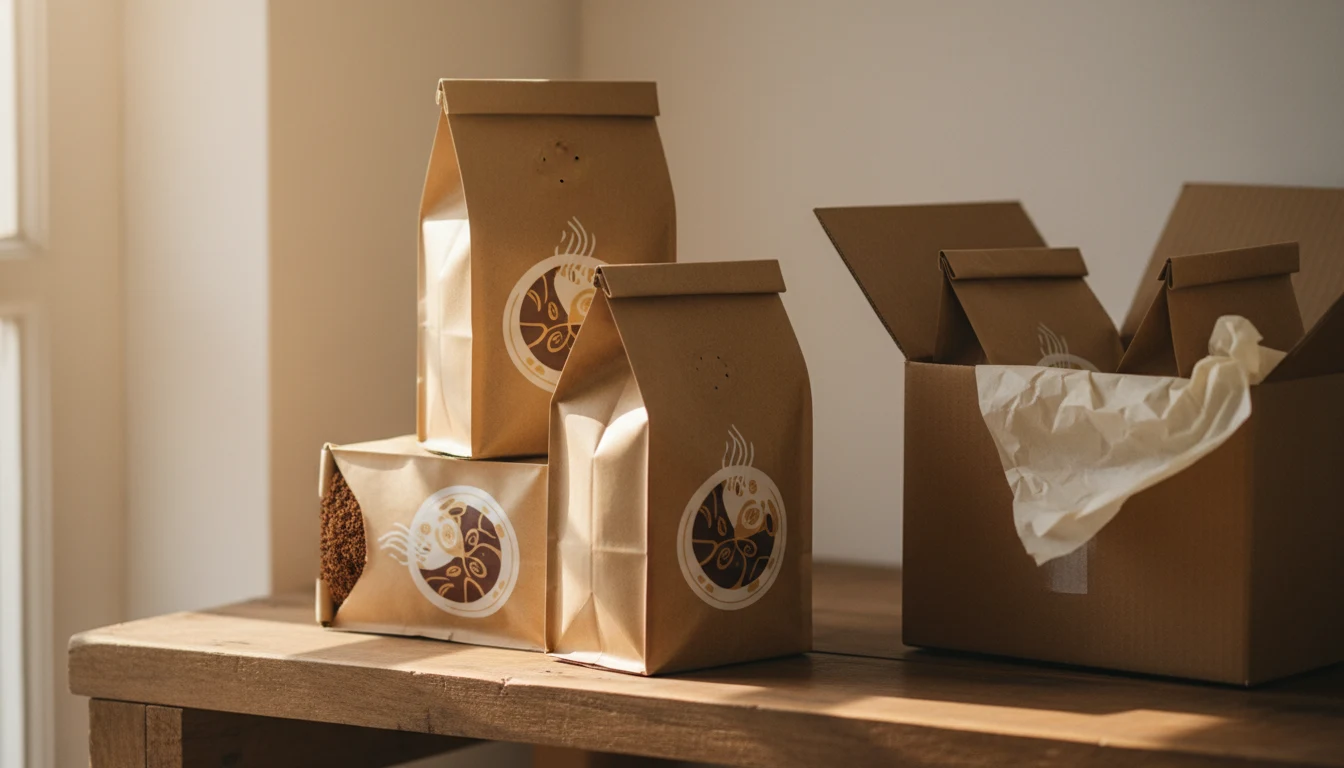
What they buy: Beautiful packaging. Clear "giftable" signals. Bundles. Seasonal editions. Products that look impressive on a kitchen counter.
How they discover you: Pinterest, Instagram gift guides, Google searches like "specialty coffee gift set," word-of-mouth from the recipient.
What sells them: The presentation and the emotional message. They need to feel confident that the recipient will be impressed. The coffee quality matters, but the packaging and perceived prestige matter more.
Marketing approach: Show the unboxing. Show the gift-giving moment. Write product descriptions that say "this makes a perfect gift for..." Make gifting easy — include gift wrap options, gift messages, and gift-ready packaging.
Revenue profile: Spikes seasonally (holiday, Valentine's, Mother's Day, Father's Day). Low base repeat rate but high transaction value.
How to Identify Your Primary Buyer
Run a quick audit of your last 100 customers:
- Average order frequency: >3x/year = Ritualist-heavy, 1x = Gifter or Explorer
- Products ordered: Same SKU repeatedly = Ritualist; varied origins = Explorer; gift sets = Gifter
- Traffic source: Search = Ritualist or Gifter; social = Explorer
- Review language: "Always buy this" = Ritualist; "Amazing tasting notes" = Explorer; "Perfect gift" = Gifter
Most roasters have a dominant archetype (60–70%) with a secondary mix. Your dominant archetype should define your baseline marketing. Your secondary should inform your seasonal content.
Building One Campaign Per Archetype
You don't need three separate brands. You need three messaging tracks:
For the Explorer: "Introducing our latest single origin from a 4th-generation farm in Huila, Colombia. Peach, citrus, brown sugar. Available in small batches — this one won't last."
For the Ritualist: "Your June bag is ready. Same blend you love, sourced from the same cooperative, roasted to the same profile. Subscription members get first access."
For the Gifter: "Give the gift of an extraordinary cup. Our summer gift set ships in a hand-tied bag with a personal note. Order by June 25 for July 4th delivery."
Different words. Same roaster. Same coffee.
The Bottom Line
The more precisely you can describe your buyer, the more effective your marketing becomes. Not because you exclude people — but because the right people feel like you're speaking directly to them.
Pick your primary archetype. Build your core content around them. Test secondary messaging in seasonal campaigns.
Then watch what happens to your repeat purchase rate.
Frequently Asked Questions
what are the main customer personas for online specialty coffee brands?
DTC specialty coffee consumers generally fall into three core buyer archetypes, each requiring a completely unique marketing approach:
- The Explorer: Motivated by novelty, origin stories, unique processing methods, and rotating single origins.
- The Ritualist: Motivated by stability, consistency, and automated reordering. They represent your highest long-term customer lifetime value.
- The Gifter: Motivated by premium packaging aesthetics, bundle options, and smooth emotional messaging. Their purchasing pattern spikes dramatically during seasonal holidays.
how can a coffee roaster identify their primary buyer archetype?
You can identify your brand's dominant archetype by auditing a sample of your last 100 customer transactions. Look for patterns in their average order frequency (Ritualists buy more than three times a year; Gifters or Explorers often buy once), product selections (Ritualists buy the same SKU repeatedly; Explorers change origins frequently), and traffic sources (Ritualists and Gifters lean toward search engines; Explorers are heavily driven by social channels like Instagram and Reddit).
what is the best way to market coffee subscriptions to the ritualist persona?
The Ritualist values trust, reliability, and friction-free consistency above all else. Instead of trying to upsell them on constantly changing varieties or overly experimental beans, focus your messaging on your strict quality control, reliable shipping windows, and guaranteed access to their favorite signature blend. Treat them like true brand insiders by communicating personally with them when a fresh harvest arrives, and reward their consistency with a seamless digital subscription portal.
how should online coffee shops alter their messaging for the explorer buyer?
The Explorer does not want a generic product pitch; they want to be invited into a story. To convert this segment, shift your messaging away from traditional sales language and lean heavily into coffee education. Detail the specific farm elevation, the producer’s background, the innovative processing method, and craft tasting notes that venture far past standard terms like "smooth and chocolatey." Highlight that these micro-lots or single origins are available in limited, small-batch quantities to create natural urgency.
To ensure your copy successfully resonates with this audience without losing your core identity, pair this audience insight with our step-by-step tutorial on How to Build a Brand Voice That Actually Sells Coffee.
what features drive conversions for a coffee gifter persona?
For a Gifter, the physical appearance and the emotional unboxing experience are far more important than technical brewing specifications. To capture this seasonal audience, write product descriptions that clearly state who the product is perfect for, showcase the physical unboxing journey across your marketing channels, and offer easy checkout upgrades like custom gift-wrapping and personalized notes.
Capturing this high-margin gifting traffic is a critical component outlined within The Shopify Scaling Guide for Indie Coffee Roasters.
Follow us @theinkroast for more strategies to grow your coffee brand.