One inconsistent batch out of ten cups tasted in a week is a fluke. It gets caught, noted, and the roaster moves on without much thought. One inconsistent batch shipped inside a hundred bags a week is a different animal entirely — it's a wave of "this doesn't taste like it used to" messages, a run of quiet unsubscribes, and sometimes a batch of refund requests that all trace back to the exact same afternoon.
Of the roasters we've audited scaling past roughly a hundred bags a week, almost none had changed their quality-control process on the way there. The tasting routine built when volume was low just kept running, unchanged, while everything around it — batch size, shipping frequency, customer count — scaled up.
This post covers why that gap opens quietly, and the specific, low-cost fix that closes it.
Why One Bad Batch Hits Differently at Scale
At low volume, a single palate tasting every batch is a reasonable, even efficient, system. The roaster knows their beans, their roast profiles, and can usually catch an off note before it ships. The risk of a miss is real but small, because the downside of a miss is small too — a handful of bags, a handful of customers.
The Pattern Across the Roasters We've Audited
As volume grows, that same single-palate check keeps being treated as sufficient, because nothing about the process itself signals that it should change. There's no obvious moment where "one taster is fine" becomes "one taster is a risk" — the threshold is invisible until a miss happens at the new, larger scale, and the consequence is proportionally larger too.
The Process That Worked at Low Volume Doesn't Scale on Its Own
Quality-control processes rarely get redesigned deliberately. They get inherited from whatever worked when the business was smaller, and they keep running by default because nothing forces a review — until a bad batch at volume forces it the hard way.
Why Nobody Notices Until It's a Problem
The single-taster process doesn't degrade gradually or announce its own limits. It works fine, batch after batch, right up until one long roasting day, one distracted palate, and one miss that used to cost a handful of bags now costs a hundred.
The Fix: One More Cupping Pass, at the Right Threshold
The fix isn't a full quality department or a certification program. It's a single procedural addition: a second cupping pass, from a second person, before a batch ships past a defined size threshold.
Where to Set the Threshold
For most small-to-mid roasters, fifty bags is a reasonable line — large enough that a miss has real consequences, small enough that the second check doesn't need to happen on every single batch regardless of size. The exact number matters less than having one at all; the goal is a deliberate line, not the absence of one.
What a Second Palate Actually Catches
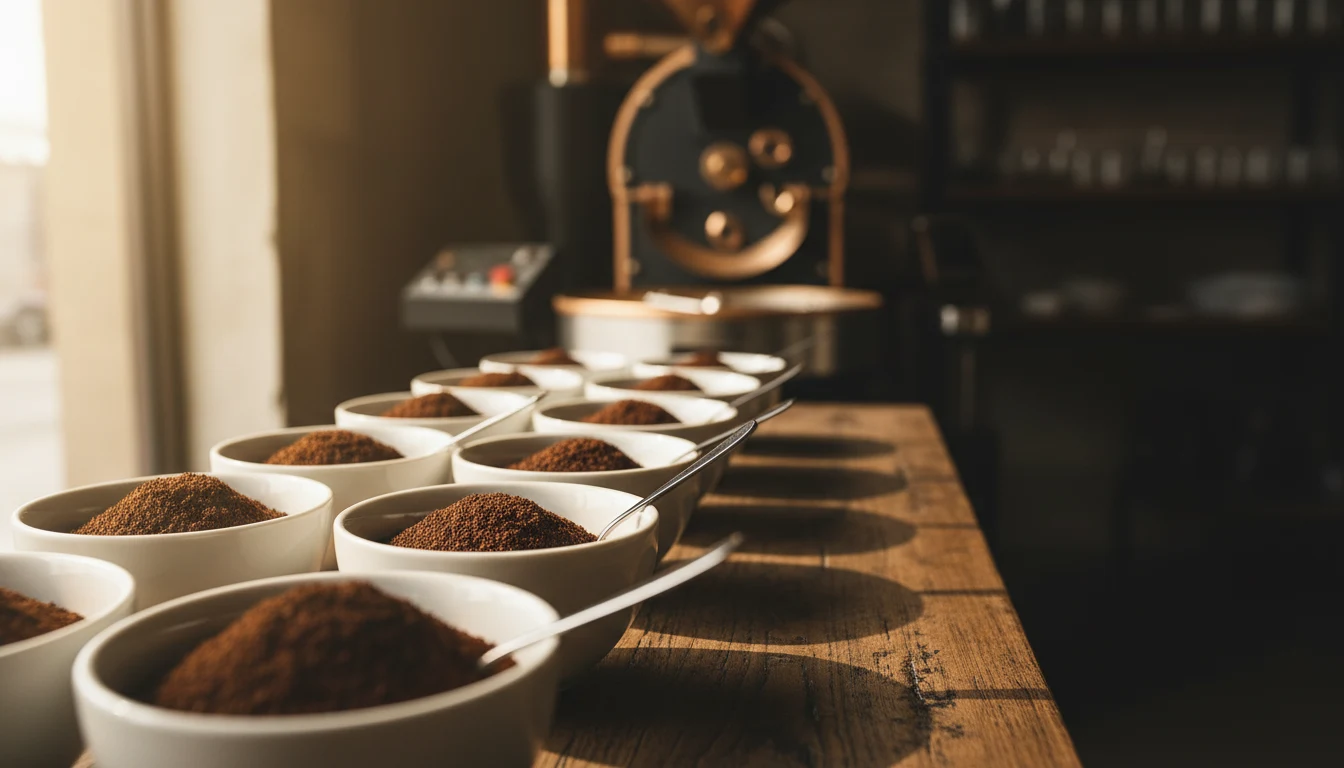
A second cupping pass isn't redundant with the first — it's specifically valuable because fatigue, palate drift over a long tasting session, and simple distraction affect one taster consistently across a session but rarely affect two people the same way at the same moment. A second, fresher palate catches exactly the kind of miss a tired first one is most likely to make.
Frequently Asked Questions
Isn't more cupping just more labor cost?
It's a small, fixed cost per qualifying batch versus a variable, much larger cost per miss — refunds, replacement shipments, and customer trust rebuilt slowly. At the batch sizes where this applies, the added cupping time is minutes, not a meaningful labor increase.
What if I don't have a second trained taster on staff?
A second palate doesn't need to be a formally trained cupper — a second team member tasting against the same reference notes the roaster already uses can catch the kind of gross inconsistency that matters most. Formal training helps, but isn't a prerequisite to start.
Does this apply to single-origin roasts differently than blends?
Single-origin roasts often show batch variance more visibly, since there's no blend to smooth over an off note — which makes the second-pass check arguably more valuable for single-origin lines, not less.
How do I know if I've already crossed the threshold?
If batch size has grown noticeably since the current QC process was set up, and nobody can recall the last time it was reviewed, that's a reasonable signal the process is overdue for a second look — independent of whether a miss has happened yet.
Is this a substitute for formal quality certifications?
No. Certifications address different concerns — food safety, sourcing standards, process documentation. A second cupping pass is a practical, immediate fix for batch consistency specifically, and can coexist with any certification process already in place.
Conclusion
A quality-control process that worked perfectly at low volume isn't wrong — it's just no longer sized for the business it's protecting. The fix costs almost nothing: one more cupping pass, from a second person, once a batch crosses a defined size threshold. It's a small addition that scales far more cheaply than the mistake it prevents.
Follow us for more.