Most coffee brands treat repeat customers as a marketing problem — build a points program, offer a discount on the fifth bag, hope it sticks. The real driver of repeat purchases isn't a program at all. It's a set of design decisions made long before anyone considers a rewards system: how the packaging holds up after the first open, whether the coffee tastes the same as it did last time, and how much friction sits between "I want another bag" and an actual reorder. Get those three right and a loyalty program becomes a nice bonus. Get them wrong and no amount of points will bring someone back.
Why a Loyalty Program Alone Doesn't Create Repeat Customers
No — loyalty programs are optional. Repeat customers come from design decisions made before a program exists: resealable, right-sized packaging, a consistent taste profile shipment to shipment, and a checkout that remembers the last order. A loyalty program can reward repeat behavior; it can't create it. A customer who had a bad second-bag experience — stale coffee, an inconsistent roast, a clunky reorder flow — isn't coming back for 50 points. The program rewards a decision the customer already made. It doesn't make that decision for them.
The 3 Design Decisions That Actually Drive Repeat Orders
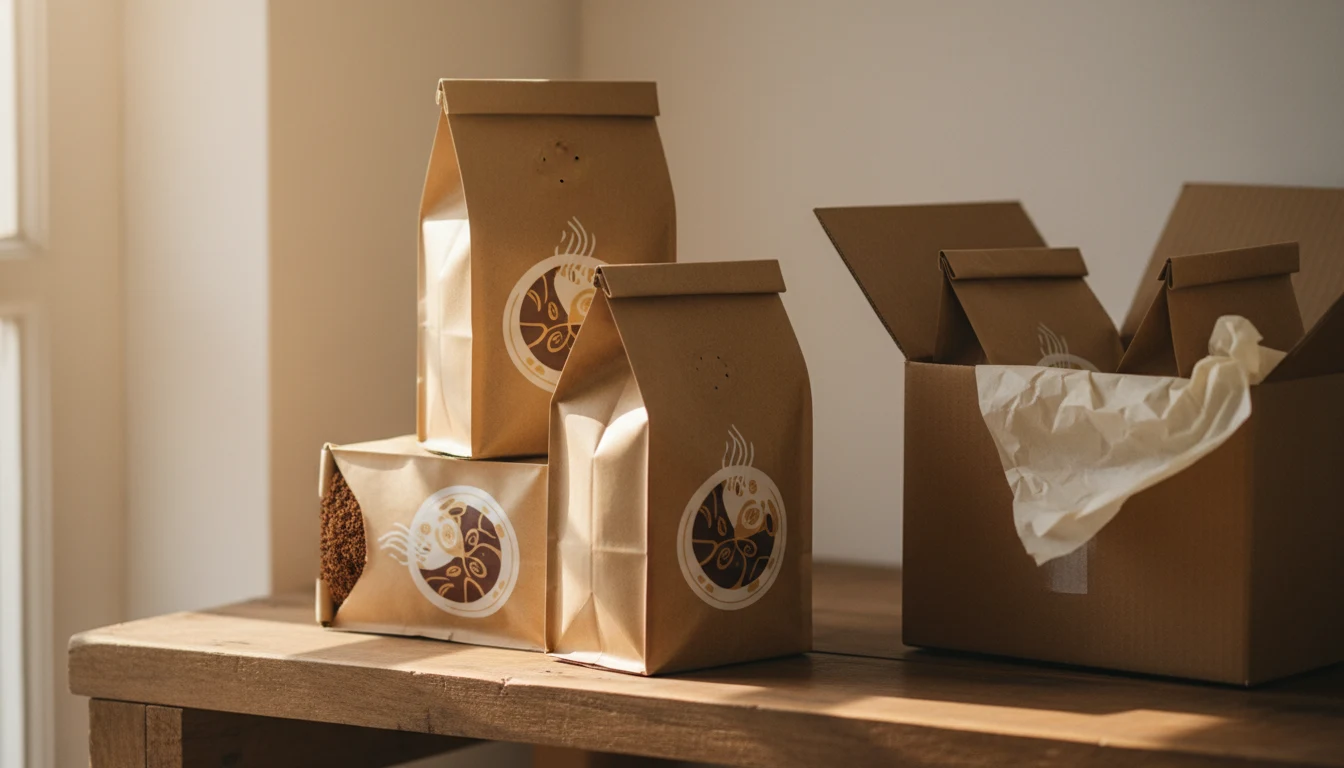
First: packaging built for how the coffee actually gets used, not how it photographs. A resealable closure and a bag size that roughly matches how fast the average customer drinks it means the last cup is as fresh as the first — the single biggest driver of "I'd buy this again."
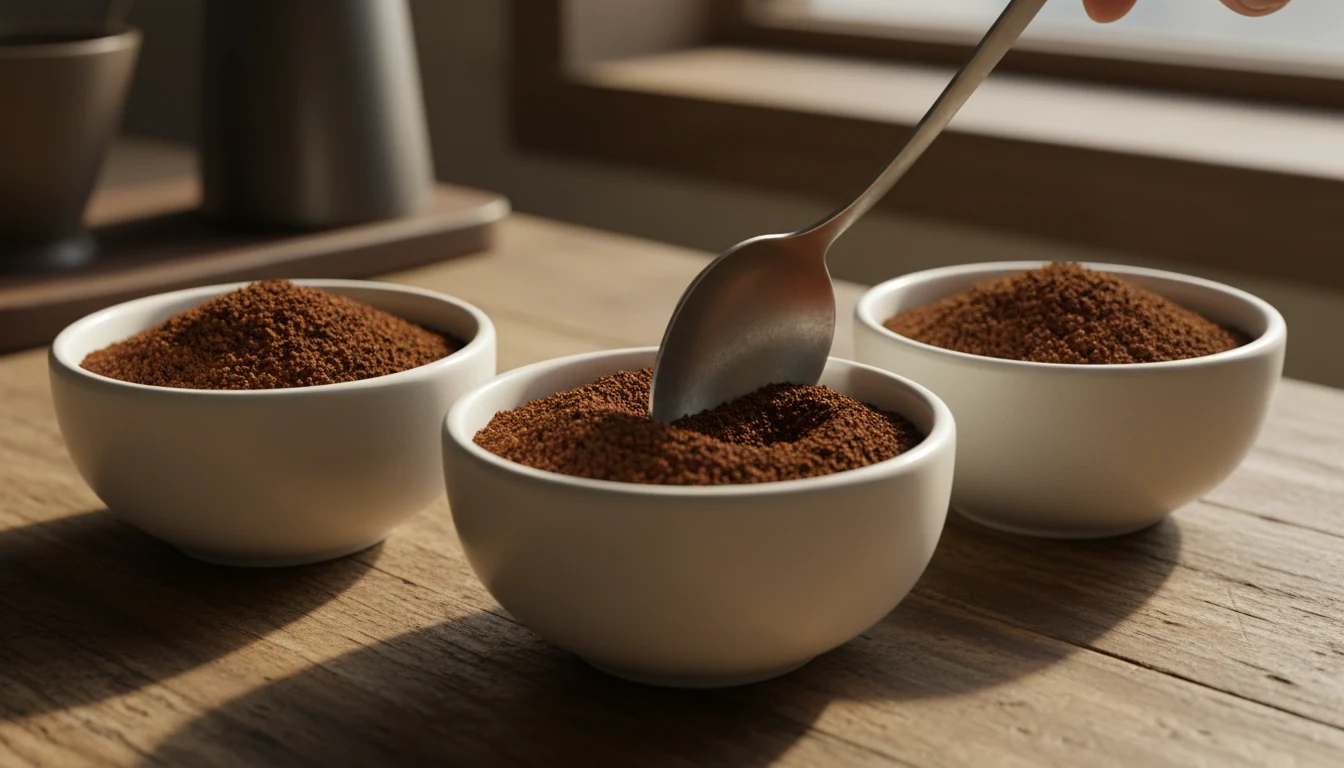
Second: taste consistency, or at minimum, communicated variance. A returning customer has a reference point a first-time buyer doesn't. If the roast shifts, say so before the bag ships, not after they've already noticed something's off.
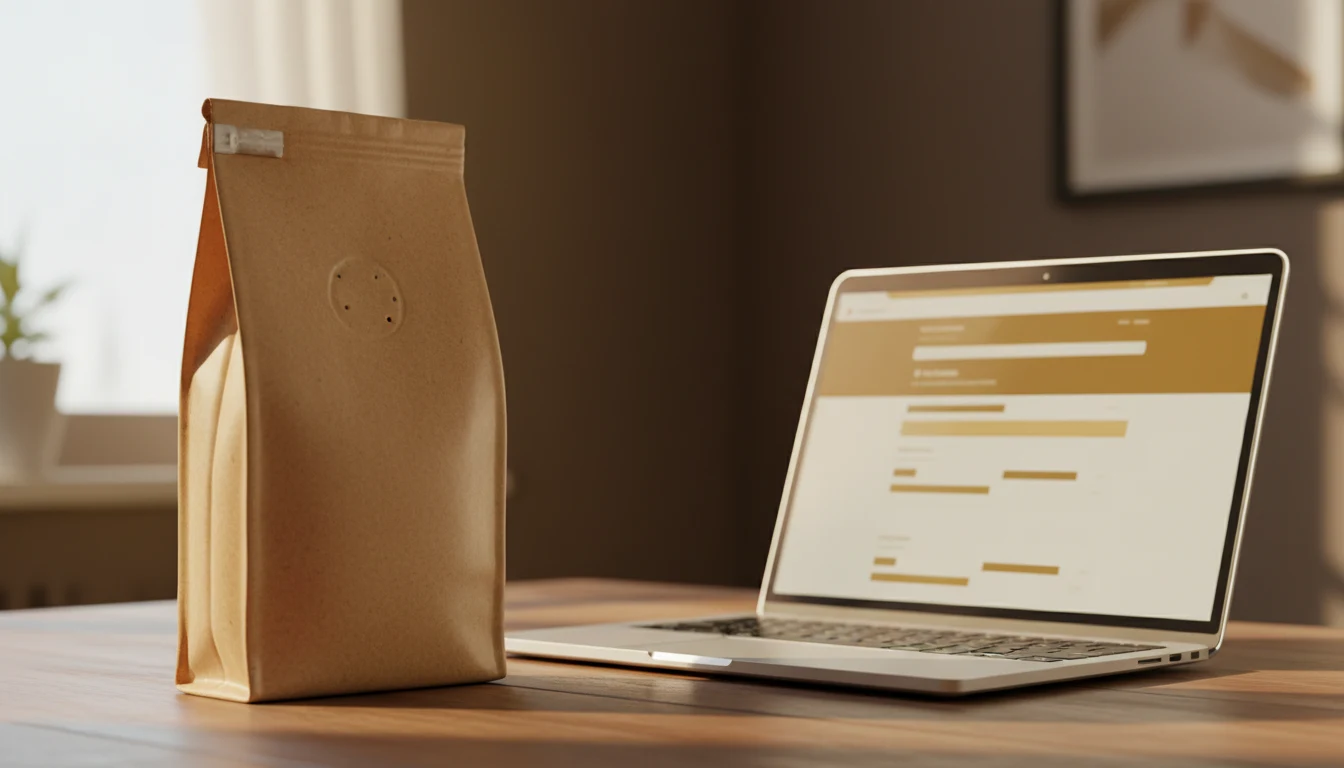
Third: checkout memory. A returning customer shouldn't have to re-select the same roast, grind, and quantity from scratch. Pre-filling the last order — even something as simple as a "reorder" button in a confirmation email — removes the single piece of friction most likely to stall a repeat purchase at the exact moment someone's ready to make it.
What This Looks Like Applied to a Real Coffee Brand
Of the client work in our own portfolio — packaging and Shopify builds together — the brands with the strongest repeat-purchase rates never started with a loyalty program. They started by making sure the second bag felt exactly as good as the first, and made reordering close to a one-click decision. The loyalty program, when they added one, was the last piece, not the first.
Frequently Asked Questions
Do coffee brands need a loyalty program to get repeat customers?
No. Loyalty programs reward repeat purchases; they don't cause them. The actual drivers are packaging, taste consistency, and a low-friction reorder path — a program works best layered on top of those, not instead of them.
What packaging detail matters most for repeat purchases?
Resealability and a size that matches how fast the average customer drinks a bag. Packaging that's still fresh two weeks in earns the reorder more than any rewards point.
How does taste consistency affect repeat orders?
A subscriber comparing this month's cup to last month's notices variance faster than a first-time buyer would. Consistency — or a heads-up before a change — protects the reorder.
What is "checkout memory" and why does it matter?
It's a checkout experience that pre-fills a returning customer's last order — same roast, same grind, same quantity — removing the friction most likely to stall a reorder decision.
A loyalty program is a reward, not a repair. If repeat customers are slipping, the fix usually isn't a bigger discount on the next tier — it's checking whether the packaging, the consistency, and the reorder flow are actually built for someone to come back. Follow us for more.