Most coffee brands are posting. Few are growing.
The gap isn't effort. It's not even content quality. It's structure — or the absence of it. After working with dozens of independent roasters and café owners on their social media strategy, the pattern is clear: the brands that grow consistently aren't the ones posting the most. They're the ones posting with intention, on a schedule their audience can actually follow.
This post gives you three things: the five content types that build both reach and trust in the coffee category, a 3-post weekly framework you can start this week, and the Instagram profile changes that turn profile visits into Shopify sales. No generic advice. No "post more value" platitudes. Just the structure that works.
Why Posting More Isn't the Answer (and What Is)
The most common mistake coffee brands make on social media is treating it like a bullhorn — broadcasting whenever something happens, then going quiet for three weeks. The result is an audience that can't build a habit around the brand, and an algorithm that deprioritizes the account during the silence.
The difference between posting and growing
Posting is activity. Growing is an outcome that requires a feedback loop between content, consistency, and audience behavior. A brand that posts once a week, every week, for 90 days will outperform a brand that posts fourteen times in one week and then disappears — every time. The algorithm rewards predictability. So does the human brain.
What the algorithm actually rewards
Instagram's algorithm prioritizes content that earns sustained engagement — not just likes, but saves, shares, and return visits. Of these signals, saves are the highest value: they indicate that someone found the content useful enough to want to find it again. Educational content in the coffee category earns saves at 3–5× the rate of standard product posts. That's not a coincidence. It's a signal worth building a content strategy around.
The brands that grow on Instagram aren't gaming the algorithm. They're producing content structured well enough that the algorithm rewards them for it.
The 5 Content Types Every Coffee Brand Needs
Most coffee brands rely on one or two content types — usually some form of product shot and the occasional promotion. The accounts growing consistently rotate through five.
1. The What-You-Do Post
This is the most underused post in the coffee industry. It answers the fundamental question: what exactly do you sell, who is it for, and why should I buy it from you specifically?
Most roasters assume their Instagram audience already knows the answer. They don't. New followers arrive constantly. Existing followers see so much content that a post from three months ago has effectively never existed. Post this once a month, minimum — clearly, specifically, without assuming prior knowledge.
"We sell small-batch Ethiopian and Colombian coffee, roasted weekly in Portland, for home baristas who take their morning seriously" is a What-You-Do post. "New coffee just dropped!" is not.
2. The Process Post
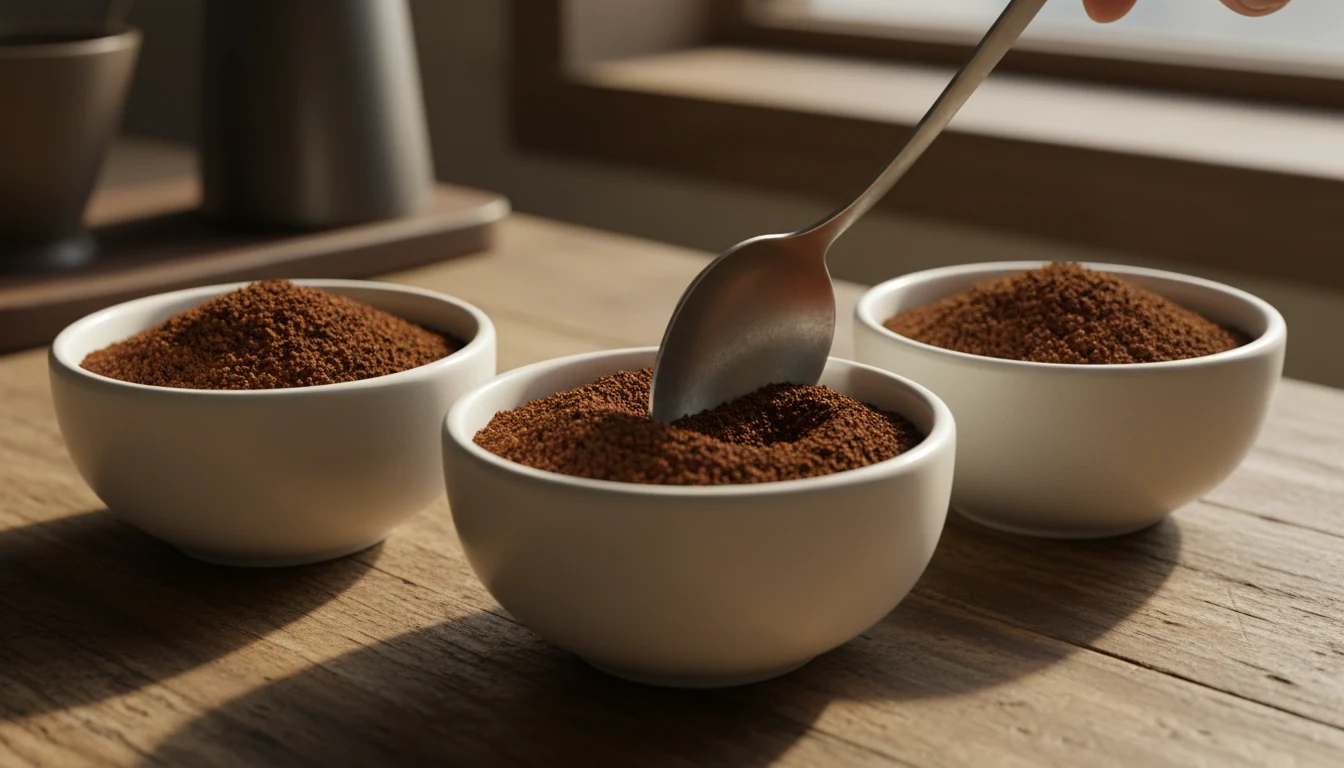
Your roasting process, your sourcing decisions, your cupping methodology — this is content no competitor can replicate, because nobody else has your specific process. It's also the content that builds the deepest loyalty, because it answers the question every specialty coffee buyer is really asking: who made this, and how much did they care?
Roasting day photos, green bean arrival content, the cupping table, the label approval process, packaging day — all of it is behind-the-scenes content that performs consistently well for coffee brands.
3. The Proof Post
Third-party validation — customer reviews, retailer shelf photography, wholesale partner features, DM screenshots with permission — earns trust faster than any first-party claim. The audience for a coffee brand already trusts your opinion on your own product. What they want to see is evidence that other people agree.
Post proof content at least once a week. It's the content that closes the sale.
4. The Education Post
Teaching your audience something specific — the difference between washed and natural processing, how elevation affects flavor development, why single-origin behaves differently than a blend — is a high-value strategy for two reasons. First, it positions your brand as an expert, not just a seller. Second, educational posts earn saves, and saves are the highest-value engagement signal for the Instagram algorithm.
The rule: make it specific. "How to taste coffee better" is vague. "Why your Ethiopia tastes like blueberry (and your Colombia tastes like caramel)" is specific. Specific content gets saved. Vague content gets scrolled past.
5. The Story Post
Origin story. Founder story. The specific reason you started roasting, the relationship with a particular farm, the year things almost didn't work out. Story-driven content is the content that converts followers into loyal customers — not because it sells directly, but because it builds the emotional connection that makes someone choose your coffee the next time they're standing in front of three options.
Coffee buyers aren't just buying coffee. They're buying the story that comes with it. Give them one worth remembering.
The 3-Post Weekly Formula That Builds Momentum
The 5 content types above give you a full inventory. The formula below tells you when to use them.
This structure is the single most consistent pattern we've seen across coffee brand accounts that grow over time. It's three posts per week, each one assigned a role.
Monday — Educate
Start the week by teaching something. This is your Education post slot. Choose one specific thing about your coffee — a processing method, a flavor note, an origin fact, a brewing tip — and explain it in terms your non-specialist audience can follow.
Monday works for education because your audience is starting the week with their phone in hand and their brain in learning mode. Content consumed on Monday has a higher save rate than content consumed on Friday in most consumer categories.
Wednesday — Show Your Product
Mid-week is when discretionary purchase intent peaks for most consumer categories. Wednesday is your commercial slot — use it to show the product.
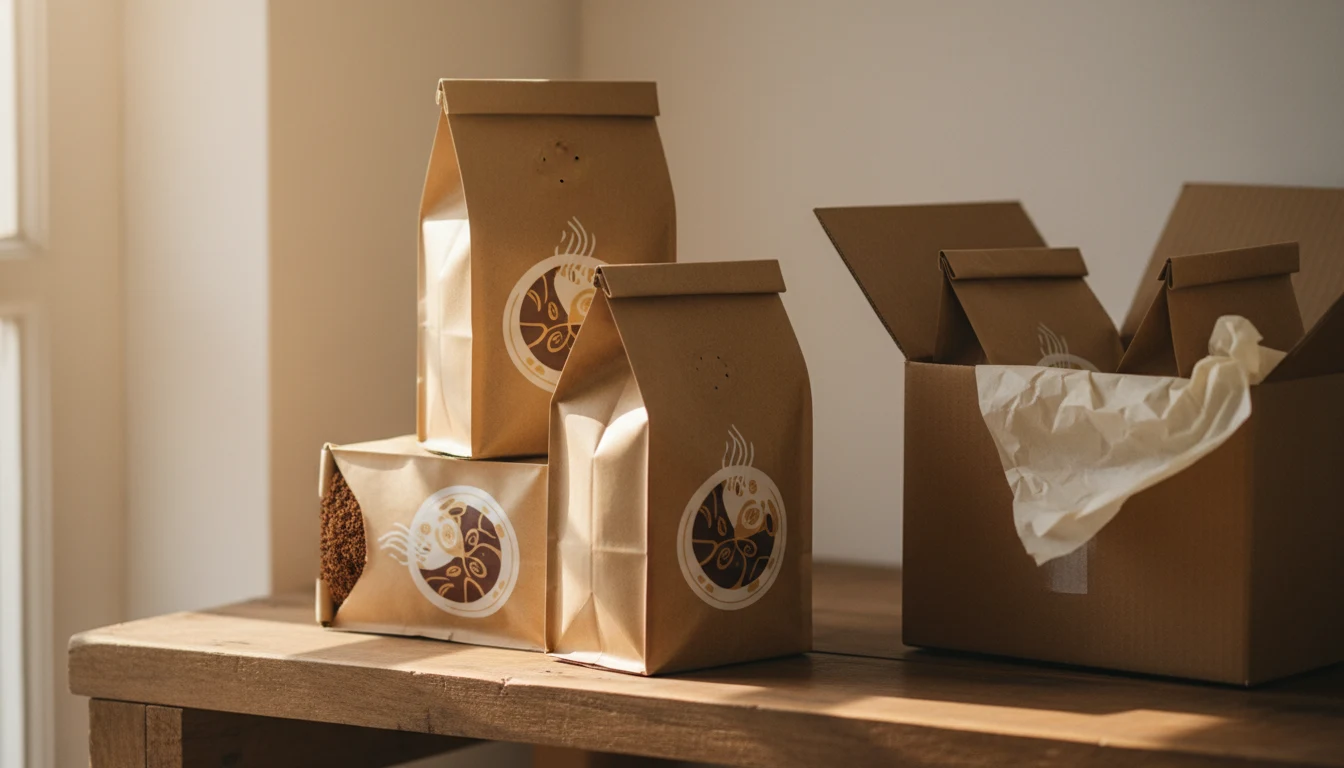
This doesn't mean a sales post. It means a bag in good light. A packaging detail shot. A roasting day image. The product, visible, with a clear path to buy. Your link in bio goes to the product page — not your homepage. Make it easy.
Friday — Social Proof
End the week with someone else vouching for you. Post a customer review, a retailer shelf photo, a wholesale partner story, or a DM testimonial (with permission). Weekend buyers — people browsing Saturday morning with coffee in hand — are the most purchase-ready audience on most coffee brand profiles. Meeting them with social proof is the highest-converting thing you can post on a Friday.
Three posts. Every week. The compounding effect of this structure over 90 days is measurable.
The Instagram Profile Audit Every Coffee Brand Should Do
The content strategy above assumes one thing: that when someone lands on your profile, they understand what you sell and they can find a path to buy it. Most coffee brand profiles fail this test.
The bio line
Your bio line has two jobs: tell people what you sell, and tell them who it's for. "We love great coffee" does neither. "Small-batch Ethiopia & Colombia. Roasted to order in [city]. Subscriptions open." does both.
Rewrite your bio line right now. Specific always beats vague. Benefits always beat attributes.
The link in bio
Most coffee brands send their Instagram traffic to a homepage with multiple navigation options. This is the highest-friction path from Instagram to purchase. Every option you add is a decision you're forcing on a buyer who was already committed enough to click.
Send your link in bio directly to your bestselling product. Not a landing page with four options. Not a homepage. The product. One click, one decision, one conversion opportunity.
Highlights and CTA
First-time profile visitors check highlights before they scroll the feed. If your highlights don't include a Shop option with a clear cover image, you're losing high-intent visitors every day. Add one.
Your caption CTA matters too. "Link in bio" is a reminder, not a call to action. "Shop our seasonal Ethiopia — link in bio" is a CTA. Name the product. Give them a reason to click.
Frequently Asked Questions
How often should a coffee brand post on Instagram?
Three times per week is the minimum effective frequency for most coffee brands — enough to stay consistently visible without requiring a full content team. The structure matters more than the volume: Monday (education), Wednesday (product), Friday (social proof) outperforms seven random posts because each slot has a defined job.
What type of content works best for specialty coffee brands?
Educational content earns the most saves — the highest-value signal for Instagram's algorithm — while process and behind-the-scenes content builds the deepest loyalty. Social proof (reviews, retailer features) converts the best. A rotating strategy that includes all three consistently outperforms any single content type over time.
How do I get more coffee followers without paid advertising?
Consistent posting in a niche is more effective than occasional broad content. Post educational content that earns saves, engage with other specialty coffee accounts, and use DM keywords to create conversations with interested followers. Growth comes from giving people a reason to follow — useful, specific content about coffee that they can't get from a larger generic brand.
Should a coffee brand be on TikTok or focus on Instagram?
Start with Instagram — it has the highest purchase intent for specialty coffee and the strongest direct path to Shopify. Once you have a consistent Instagram presence and content system, repurpose for TikTok. The content structure (educate, show, prove) works on both platforms. Building one channel well is worth more than two channels poorly managed.
Build the Strategy First. Then Build the Brand Around It.
Social media for coffee brands isn't complicated. It's consistent.
The brands growing right now have a structure — 5 content types, a 3-post weekly schedule, and a profile optimized for conversion. That's the foundation. Everything else builds on it.
If you want to build the full brand system alongside the content strategy — packaging that matches your website, a Shopify store that converts, and a social presence that brings people to both — that's the work Inkroast does.